Buying your first home in Washington, DC can feel like choosing between two very different versions of city life. One path may offer a lower entry price and fewer day-to-day maintenance tasks, while the other may give you more privacy, outdoor space, and control. If you are weighing a condo against a rowhouse, the right answer usually comes down to your budget, your routine, and how you want to live over the next few years. Let’s dive in.
Why this choice matters in DC
In Washington, DC, condos and rowhouses are both common, but they often serve different goals. They can also come with very different monthly costs, upkeep responsibilities, and financing details.
That matters even more for a first-time buyer. You are not just choosing a home style. You are choosing a cost structure, a level of responsibility, and a neighborhood experience that should still feel comfortable after the excitement of closing day.
What a condo means in DC
A condominium in DC means you own your individual unit plus an undivided interest in the common elements of the property. The building or community is governed by an association executive board, which manages shared areas and common expenses.
In practical terms, that usually means the association handles more of the building-level responsibilities. Shared systems, common spaces, and other building needs are often managed collectively rather than falling entirely on you.
Condo ownership often feels simpler
For many first-time buyers, that setup can feel more manageable. If you want a home that may require less hands-on upkeep, a condo can be an appealing way to get started.
That does not mean maintenance disappears. It means some responsibilities are shared, and you will usually pay monthly condo or HOA dues to support that arrangement.
What a rowhouse means in DC
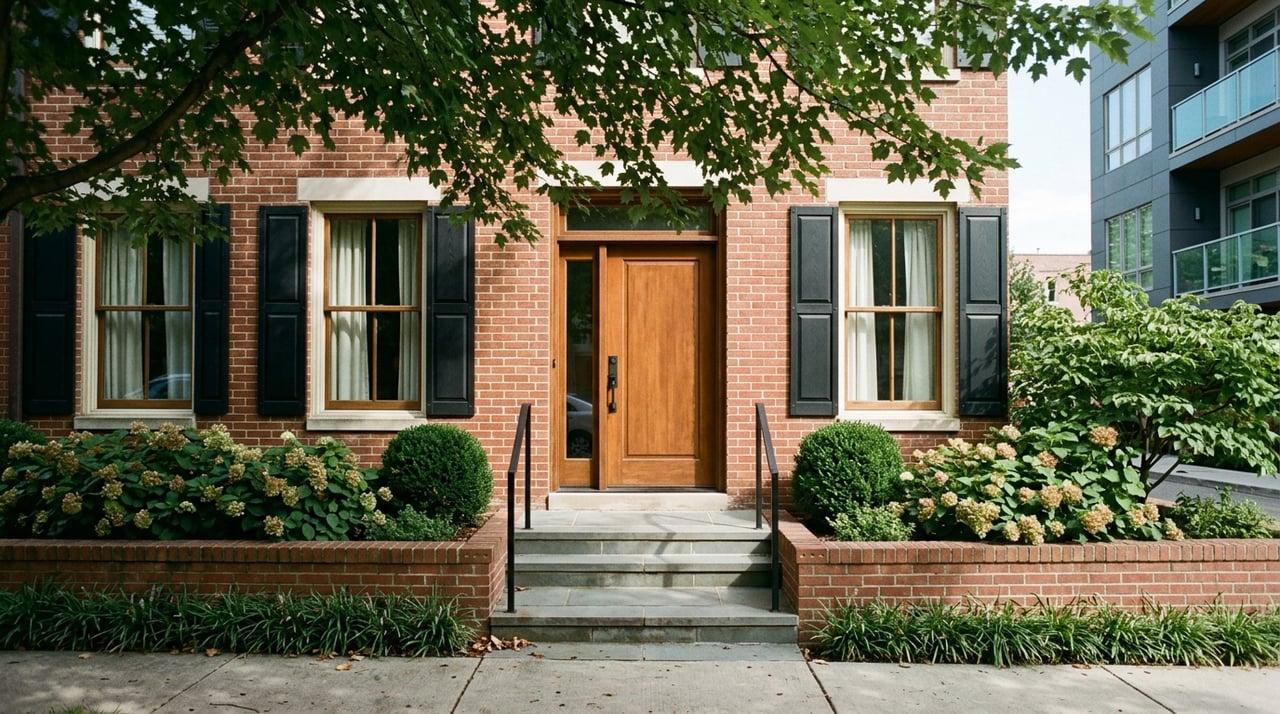
DC zoning treats attached rowhouses as single-family housing in certain residential zones, and rowhouses are a defining part of many Washington neighborhoods. They are often attached homes on smaller lots, with a more traditional street-facing layout.
A rowhouse can offer a very different ownership experience from a condo. You are more likely to have direct responsibility for the property, and you may also gain more privacy and more control over how you use your space.
Do not assume the structure tells the full story
This is an important DC-specific detail. An attached home can still be condominiumized or part of a common-interest community, so you should verify the title structure before assuming a rowhouse has no shared obligations.
That small step can prevent big surprises. A home that looks like a classic rowhouse from the outside may still come with association rules or shared costs.
Compare the monthly cost picture
For many first-time buyers, the real decision starts with the monthly payment, not just the list price. In DC, condos and rowhouses can look very different once you factor in carrying costs.
Condo costs
Condos usually come with separate condo or HOA dues. Those dues are commonly paid directly to the association, and they can range from a few hundred dollars per month to more than $1,000.
Some condo fees may include master insurance for the building’s common areas. You would still need your own insurance for your unit, but the shared insurance structure can affect your overall monthly planning.
Rowhouse costs
A rowhouse usually does not come with standard condo dues unless it is part of a shared-interest structure. But the tradeoff is that you often take on more of the repair and maintenance burden yourself.
That means your monthly housing cost may feel simpler on paper, yet your repair exposure can be higher over time. Roof work, exterior upkeep, and other property issues are more likely to land directly on your to-do list and your budget.
Taxes and first-time buyer relief
DC offers tax rules that apply to both condos and rowhouses, so this part usually does not tip the scale in favor of one property type. The city’s residential property tax rate is $0.85 per $100 of assessed value.
For an owner-occupied principal residence, the Homestead Deduction reduces assessed value by $91,950 for tax year 2026. DC also offers a reduced recordation tax rate of 0.725% for first-time District homebuyers, and that applies to both houses and condominium units.
What this means for your budget
Because those first-time buyer tax benefits apply to both options, the bigger difference is usually purchase price plus monthly carrying costs. In other words, the question is often less about tax savings and more about what you can comfortably afford month after month.
That is one reason this decision deserves a closer look. A lower purchase price does not always mean a lower long-term cost, and a home without dues does not always mean a lower-stress ownership experience.
DC market context for condos and rowhouses
The two property types can behave differently in the same city. A 2025 DC market report found that existing condo median prices peaked at $495,000, while attached or rowhome median prices peaked at $906,500.
The same report found condo sales fell 4% in 2025 while attached or rowhome sales rose 5%. For a first-time buyer, that is a reminder that condos and rowhouses are not just different home styles. They can move differently in the market as well.
Lifestyle tradeoffs to think through
The best first home is not always the biggest or the trendiest. It is the one that fits your real life.
Choose a condo if you want ease
A condo may be the better fit if you want:
- A lower entry price compared with many rowhouses in DC
- Less hands-on responsibility for shared systems and common areas
- A denser urban setting
- Building services or a more lock-and-leave lifestyle
This option often works well if your schedule is busy and you want a more streamlined ownership experience.
Choose a rowhouse if you want control
A rowhouse may be the better fit if you want:
- More privacy
- More private outdoor space
- Potential features like porches, rear yards, or alley access
- More control over the property itself
This option often appeals to buyers who are ready for more responsibility in exchange for more space and independence.
Where condos often fit in DC
Condos are common in denser mixed-use parts of Washington. Planning materials point to areas such as Downtown, Penn Quarter, Gallery Place, Chinatown, NoMA, the Wharf, Southwest Waterfront, Capitol Riverfront, and parts of Shaw and Logan Circle as places with significant multi-family housing and residential building growth.
If you picture yourself in a more urban setting with shared amenities and easier upkeep, these areas often align with that condo lifestyle. The appeal is usually convenience, building support, and close access to city activity.
Where rowhouses often fit in DC
Rowhouses are especially common in established townhouse and historic district areas such as Capitol Hill and Bloomingdale. Ward 5 planning materials also identify Eckington, Bloomingdale, Brookland, Ivy City, Trinidad, and Carver-Langston as townhouse-oriented areas or neighborhoods known for porch-front or Victorian homes.
In these parts of the city, the feel is often more residential, with blocks that feature porches, yards, and alley patterns. If that streetscape is part of your vision for homeownership, a rowhouse may feel like the more natural fit.
Historic district rules can affect rowhouses
If you are leaning toward a rowhouse, historic district status is worth checking early. DC has more than 500 historic landmarks and more than three dozen historic districts, and exterior changes in those areas can trigger review by the Historic Preservation Review Board.
That does not mean a historic rowhouse is off the table. It simply means renovation plans may come with added review, especially when changes affect massing, roof height, or ornamental details.
Financing can be slightly different for condos
Financing a condo can involve a few extra layers. Lenders may charge slightly more for loans used to buy a condo, and some loan programs review the condo project itself, not just your qualifications.
For example, project factors can include insurance coverage, financial condition, title, legal status, and overall viability. If you are comparing a condo and a rowhouse with similar price tags, this is one more reason to look beyond the list price alone.
A simple way to choose
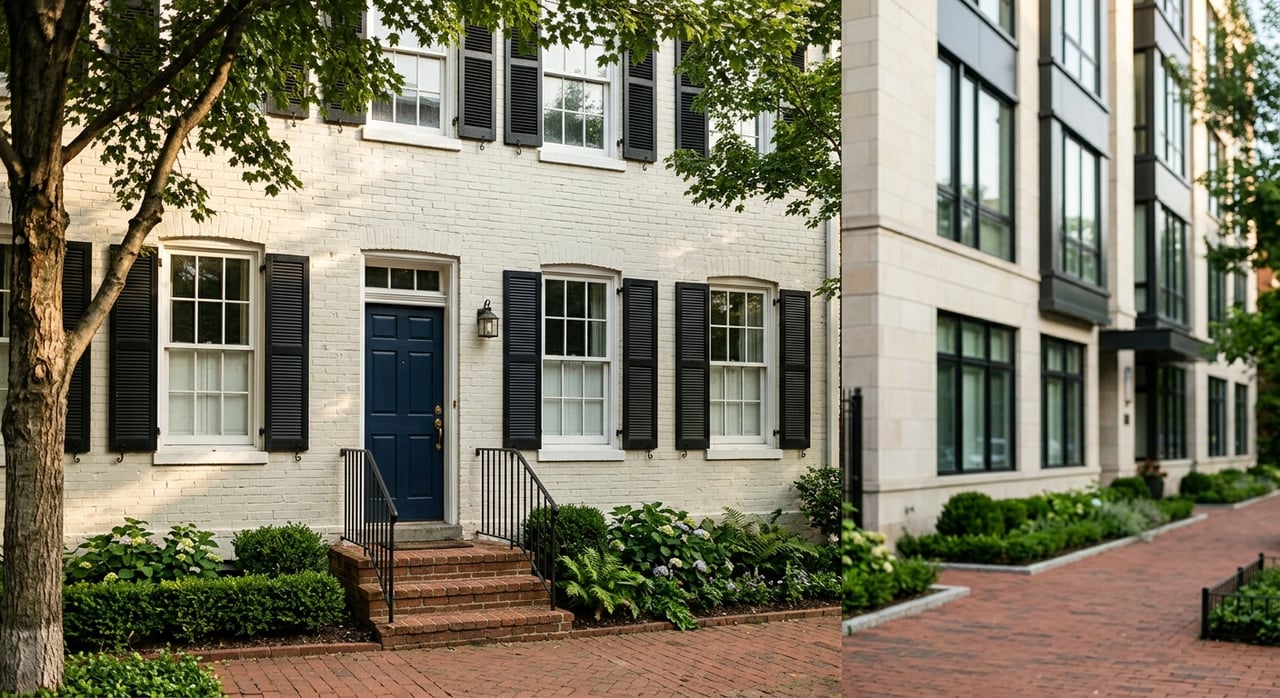
If you want lower maintenance, a smaller entry price, and a denser urban setting, a condo usually fits better in DC. If you want more privacy, more outdoor space, and more control over the property, a rowhouse usually fits better.
The key is to look past the first impression. Ask yourself which monthly cost structure, maintenance load, and daily lifestyle will still feel right a year or two from now.
A thoughtful first purchase is not about forcing yourself into the “best” type of home. It is about choosing the one that supports your goals without adding stress you did not plan for.
If you are comparing condos and rowhouses in Washington, DC, having a guide can make the decision much easier. Ruth Garvey can help you weigh the numbers, the neighborhoods, and the day-to-day tradeoffs so you can move forward with confidence.
FAQs
What is the main difference between a DC condo and a DC rowhouse?
- A condo usually means you own your unit and share ownership of common elements with other owners, while a rowhouse usually offers more direct control of the property and more personal responsibility for maintenance.
Are condo fees in Washington, DC worth it for first-time buyers?
- Condo fees can be worth it if you value shared maintenance, building management, and a more hands-off ownership experience, but you should compare those dues carefully against your full monthly budget.
Do first-time buyer tax benefits in DC favor condos or rowhouses?
- No. DC’s reduced recordation tax rate for first-time District homebuyers applies to both houses and condominium units, and the Homestead Deduction can also apply to an owner-occupied principal residence.
Are rowhouses in Washington, DC always free from HOA or condo rules?
- No. An attached home can still be condominiumized or part of a common-interest community, so you should verify the title structure before making assumptions.
Which DC neighborhoods are more condo-oriented for first-time buyers?
- Condos are common in denser mixed-use areas such as Downtown, Penn Quarter, Gallery Place, Chinatown, NoMA, the Wharf, Southwest Waterfront, Capitol Riverfront, and parts of Shaw and Logan Circle.
Which DC neighborhoods are known for rowhouses?
- Rowhouses are especially common in areas such as Capitol Hill, Bloomingdale, Eckington, Brookland, Ivy City, Trinidad, and Carver-Langston.
Should you worry about historic district rules when buying a DC rowhouse?
- You should at least check for them early, because exterior changes in DC historic districts can require review and may affect future renovation plans.